
STEM Role Model Spotlight: George Washington Carver: The Scientist Who Grew a Better Future
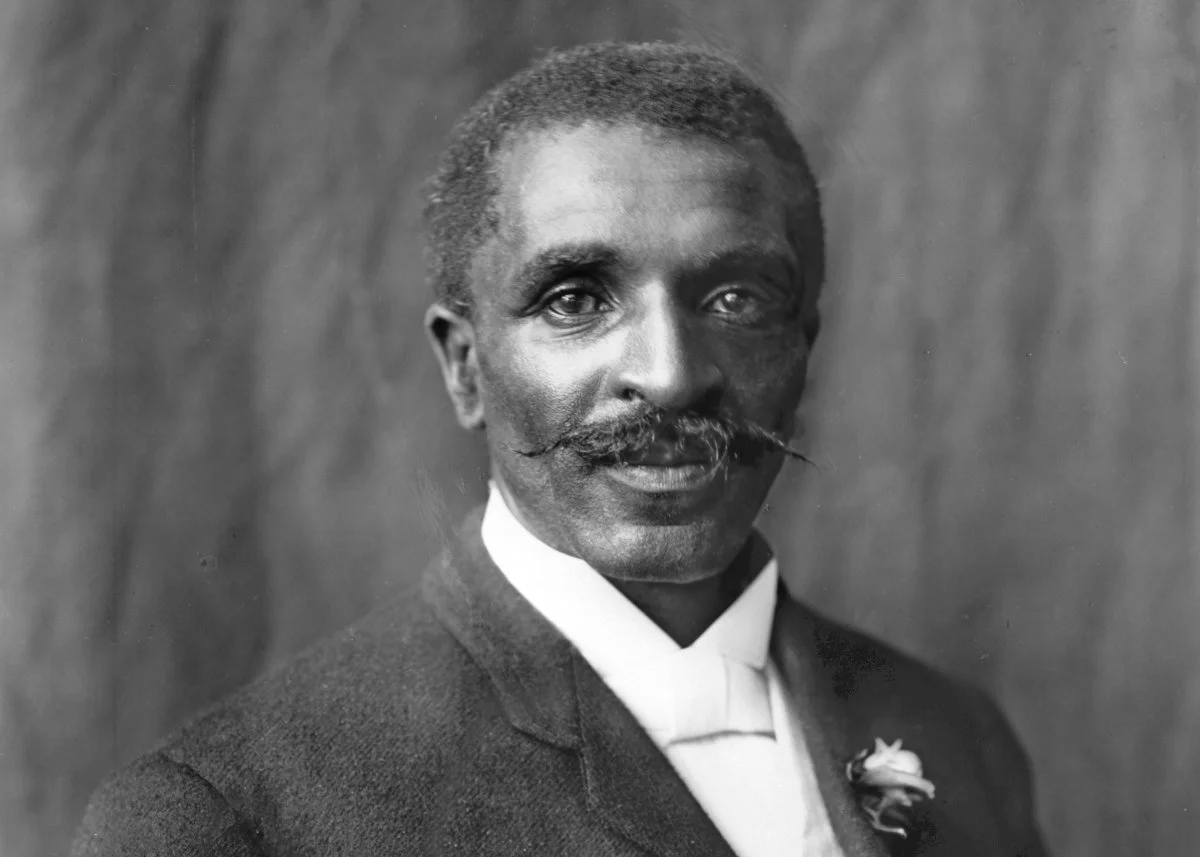
At Kente Academy, we believe that STEM is not just about technology; it’s about transformation. Few figures embody this belief more powerfully than George Washington Carver, the pioneering agricultural scientist who revolutionized farming in America and reshaped how we think about science, sustainability, and service.
Carver’s life reminds us that innovation often begins not in a high-tech lab, but in the soil beneath our feet and in the determination to make the world a better place.
Early Life: From Slavery to Scholarship
George Washington Carver was born into slavery around 1864 in Diamond, Missouri. His early years were marked by hardship; his mother was kidnapped when he was an infant, and he grew up frail and often ill. Yet, even as a child, Carver was captivated by the mysteries of nature. Locals called him “the plant doctor” because farmers sought his advice on how to heal their crops.
Despite the racial barriers of his time, Carver pursued education with relentless persistence. After years of traveling in search of schools that accepted Black students, he became the first African American to earn a Bachelor of Science degree from Iowa State Agricultural College (now Iowa State University). His professors quickly recognized his brilliance and encouraged him to continue his research, laying the foundation for a lifetime of discovery and service.
Revolutionizing Agriculture
In the early 1900s, Carver joined Tuskegee Institute (now Tuskegee University), where he led agricultural research and outreach for Southern farmers. At the time, much of the South’s soil was depleted from decades of cotton farming. Carver understood that sustainability required restoring balance to the land.
His solution was simple yet revolutionary: crop rotation.
He urged farmers to plant peanuts, sweet potatoes, and legumes, crops that not only restored nitrogen to the soil but also offered new sources of food and income. To help farmers make the most of these crops, Carver developed over 300 uses for peanuts and more than 100 for sweet potatoes, creating products like dyes, paints, plastics, and even fuel.
Through his work, Carver transformed agricultural science into a tool for economic independence and community empowerment, especially for Black farmers in the post-slavery South.
Science as Service
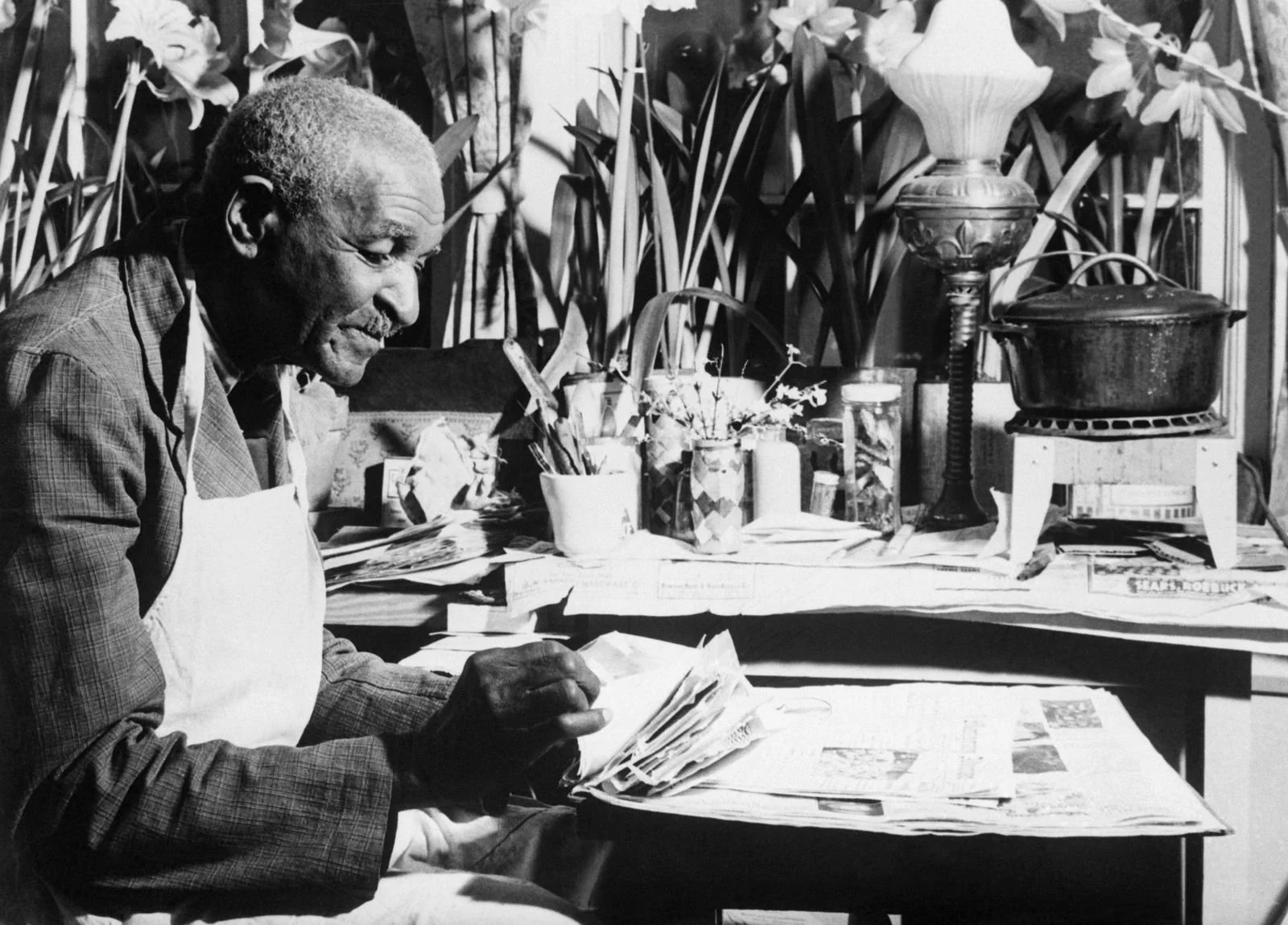
While Carver’s scientific contributions were groundbreaking, his philosophy made him extraordinary. He viewed science as a form of service, a way to uplift others and improve lives.
He once said:
“It is not the style of clothes one wears, neither the kind of automobile one drives, nor the amount of money one has in the bank, that counts. These mean nothing. It is simply [a] service that measures success.”
Carver refused to patent many of his inventions, believing that knowledge should be shared freely for the good of all. His humility, creativity, and commitment to sustainability anticipated modern fields like environmental science and agroecology long before they had names.
Legacy and Lessons for STEM Learners
George Washington Carver transformed American science, not through wealth or prestige, but through vision, compassion, and curiosity.
From his life, students can learn that:
Innovation can grow from adversity. Curiosity thrives even in difficult conditions.
STEM is for everyone, regardless of background or origin.
Sustainability and science go hand in hand. True progress uplifts both people and the planet.
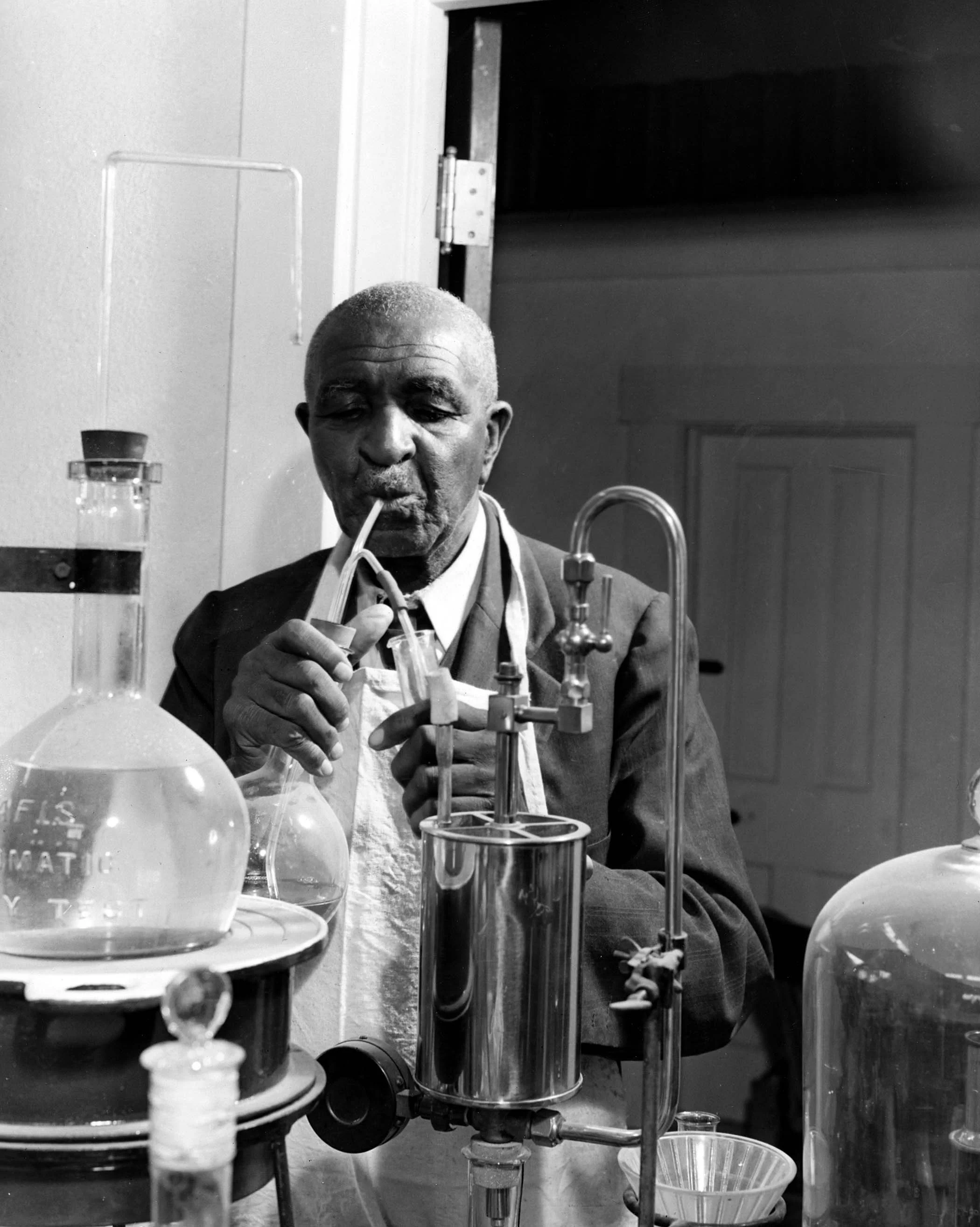
At Kente Academy, we strive to cultivate that same spirit of innovation in our students. Whether they’re studying chemistry, engineering, or data science, we remind them that every discovery can be a step toward a more sustainable and equitable world.
Next in the Series
Our next STEM Role Model Spotlight will feature Katherine Johnson, the brilliant mathematician whose calculations sent astronauts into space and brought humanity to the stars. Her story reminds us that precision, perseverance, and passion can move not only rockets but history itself.
