
Study Groups, Sisterhood, and Success: How Girls Support Each Other in School
When people think about academic success, they often picture long hours of studying alone, late nights, and individual achievement. But for many young women, success doesn’t happen in isolation—it happens in community.
Across classrooms, libraries, and group chats, girls are building powerful support systems that are changing the way they learn, grow, and succeed. These spaces—study groups, shared notes, late-night FaceTimes before exams—are more than just academic tools. They are forms of sisterhood that foster confidence, resilience, and long-term success.
The Power of Learning Together
There’s something transformative about studying with people who understand your experience. In a strong study group, students aren’t just reviewing material—they’re teaching each other, asking questions freely, and filling in knowledge gaps without fear of judgment.
For many girls, especially in challenging subjects like math and science, these environments can make all the difference. A concept that feels confusing alone can suddenly click when explained by a peer. More importantly, students begin to realize that struggling doesn’t mean they’re incapable—it just means they’re learning.
This shift in mindset is critical. When girls see their peers working through similar challenges, it normalizes difficulty and reduces the pressure to be perfect.
From Competition to Collaboration
School environments can sometimes unintentionally promote competition—who got the highest grade, who finished first, who “gets it” the fastest. But many girls are actively reshaping that narrative.
Instead of competing, they’re choosing to collaborate.
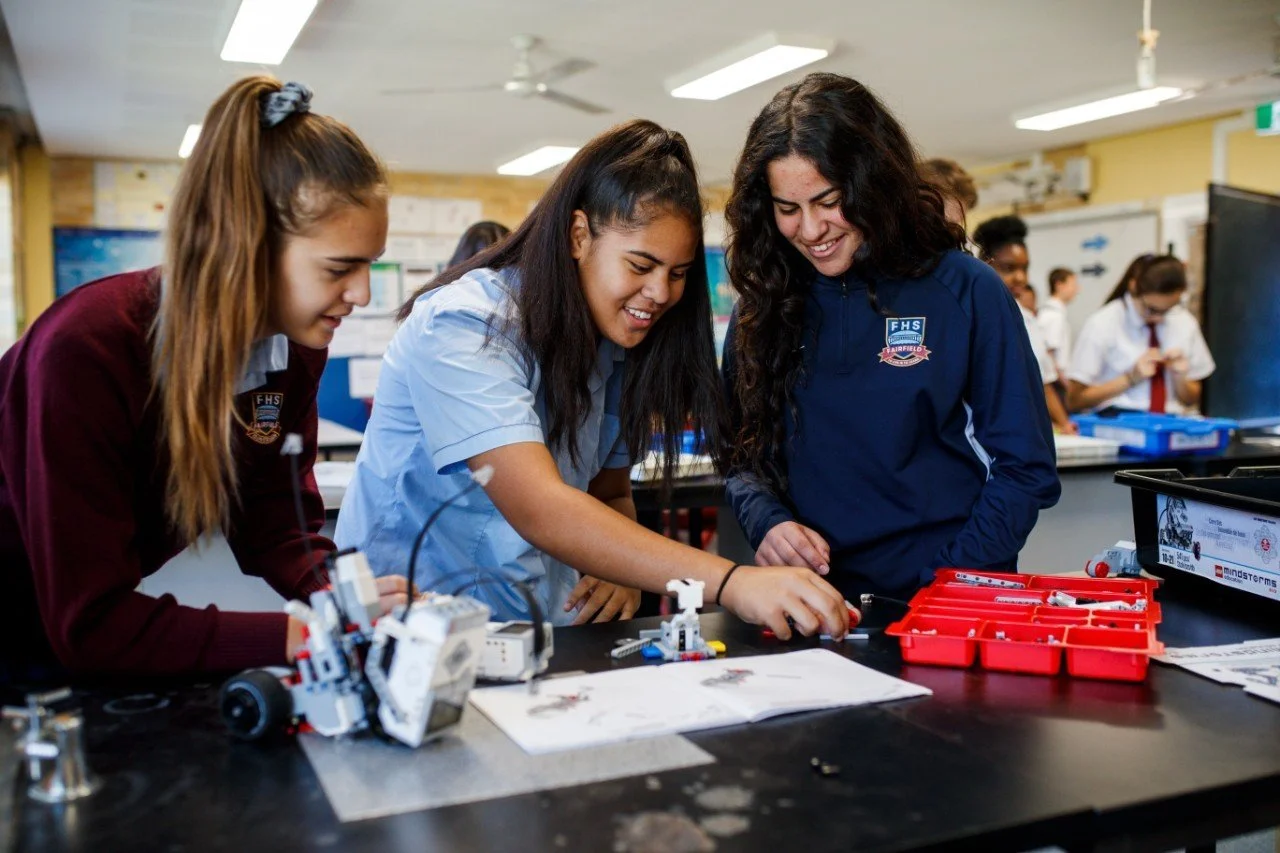
They share study guides. They quiz each other before tests. They celebrate each other’s wins, whether it’s acing an exam or finally understanding a tough topic. This collaborative mindset creates a culture where success is not limited—it’s multiplied.
And the impact goes beyond academics. When girls support each other, they build trust, communication skills, and leadership abilities that extend far outside the classroom.
Confidence Grows in Community
Confidence doesn’t always come from getting the right answer—it often comes from feeling safe enough to try.
In supportive peer groups, girls are more likely to:
Ask questions without fear of embarrassment
Take academic risks
Speak up in class
Persist through challenges
These are the moments that build real confidence. Not perfection, but participation.
For students who may feel overlooked or unsure of themselves, having even one supportive peer can completely change their academic experience. A simple “you’ve got this” or “that was actually really good” can reinforce belief in their abilities.
Sisterhood Beyond the Classroom
The bonds formed through shared academic experiences often grow into something deeper. Study groups turn into friendships. Classmates become accountability partners. Over time, these relationships create a network of encouragement that supports students through both academic and personal challenges.
This kind of sisterhood is especially powerful for young women navigating high expectations, self-doubt, and the pressure to succeed. Knowing you’re not alone—and that someone is rooting for you—can be the difference between giving up and pushing forward.
How We Can Support This Culture
Creating spaces where girls can collaborate and support each other should be intentional. Parents, educators, and mentors all play a role in encouraging this kind of environment.
Here are a few ways to help:
Encourage group study and peer learning
Normalize asking for help and not knowing everything
Highlight effort and growth, not just outcomes
Create inclusive spaces where all voices are valued
Programs that prioritize both academic growth and community can have a lasting impact on how students see themselves and their abilities.
The Bigger Picture
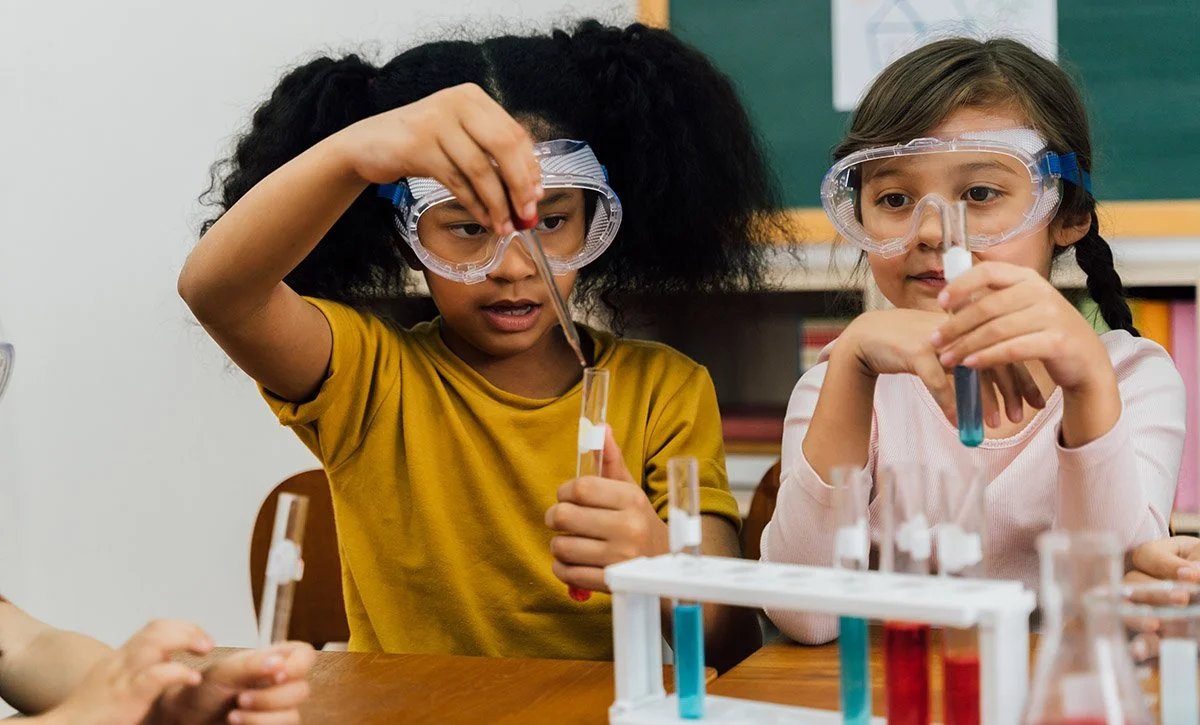
When girls support each other, they’re not just improving their grades—they’re redefining success.
They’re learning that success isn’t about being the best in the room, but about growing together. They’re building confidence not from perfection, but from persistence. And they’re creating communities where everyone has the opportunity to thrive.
This is what true empowerment looks like: not standing alone at the top, but reaching back and bringing others with you.
Because when one girl succeeds, it’s powerful.
But when girls succeed together, it’s transformational.
