
From Legacy to Leadership: Modern Black Women Shaping STEM Today
Black History Month invites us to reflect on the past, but it also challenges us to pay attention to the present. As we move toward Black Women’s History Week, it is essential to uplift the Black women who are actively shaping science, technology, engineering, and mathematics right now. These women are not only making groundbreaking contributions in their fields, they are also redefining who belongs in STEM spaces.
At Kente Academy, we believe representation is more than visibility. It is about access, opportunity, and showing students what is possible. Today’s Black women in STEM are living proof that brilliance thrives even in systems not designed with them in mind.
Redefining Medicine and Public Health
Dr. Kizzmekia Corbett
Dr. Corbett is an immunologist whose work was instrumental in the development of the COVID-19 mRNA vaccine. As a leading scientist during a global health crisis, she also became a trusted public voice, helping communities understand vaccine science and advocating for equity in healthcare access. Her work highlights how scientific expertise and community responsibility can exist side by side.
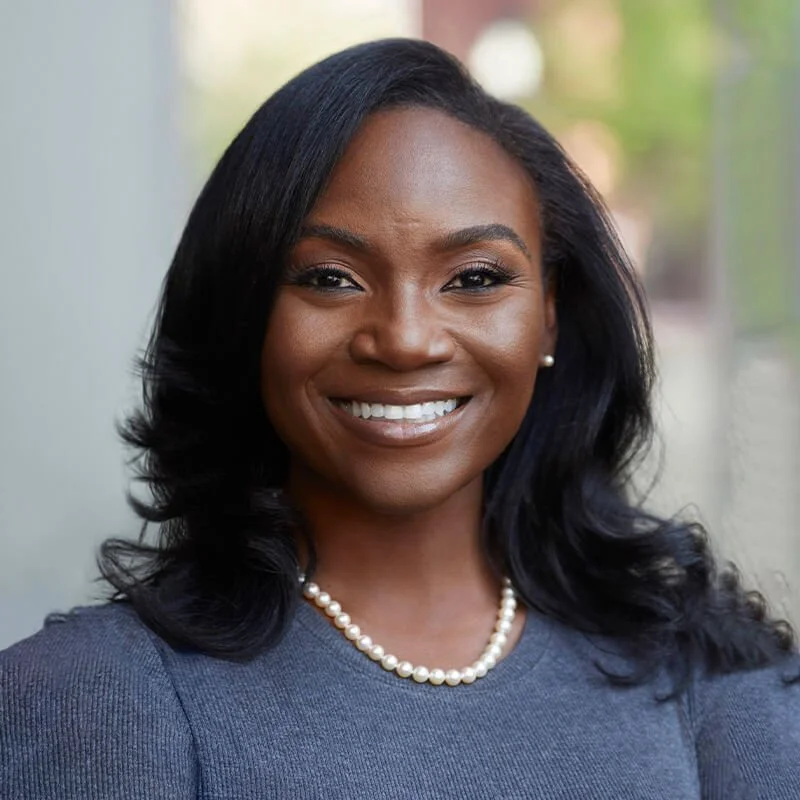
Dr. Deirdre Cooper Owens
Dr. Cooper Owens is a historian of medicine whose research examines how Black women’s bodies have been exploited within medical systems. While not a laboratory scientist, her work is deeply embedded in STEM by challenging how medical knowledge is produced and whose experiences are valued. Her scholarship reminds us that science is not neutral and that ethical inquiry is a vital part of scientific progress.
Exploring Space, Science, and New Frontiers
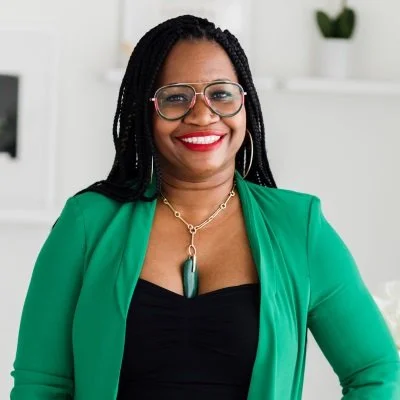
Dr. Jessica Watkins
Dr. Watkins is a geologist and NASA astronaut who became the first Black woman to serve on a long-duration mission aboard the International Space Station. Her work bridges Earth science and space exploration, emphasizing how scientific research can deepen our understanding of both our planet and the universe. Her career challenges traditional narratives of who belongs in space science and inspires students to imagine bold, expansive futures in STEM.

Leading Innovation in Technology and Engineering
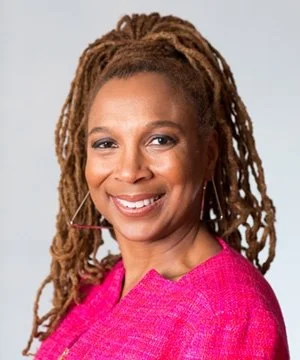
Dr. Kimberlé Crenshaw
While best known for developing the theory of intersectionality, Dr. Crenshaw’s work has significant implications for data science, policy, and algorithmic fairness. Her scholarship helps us understand how systems, including technological systems, can replicate inequality when they fail to account for overlapping identities. Her influence is felt across disciplines that shape modern STEM research and design.
Advancing Technology, Ethics, and Innovation
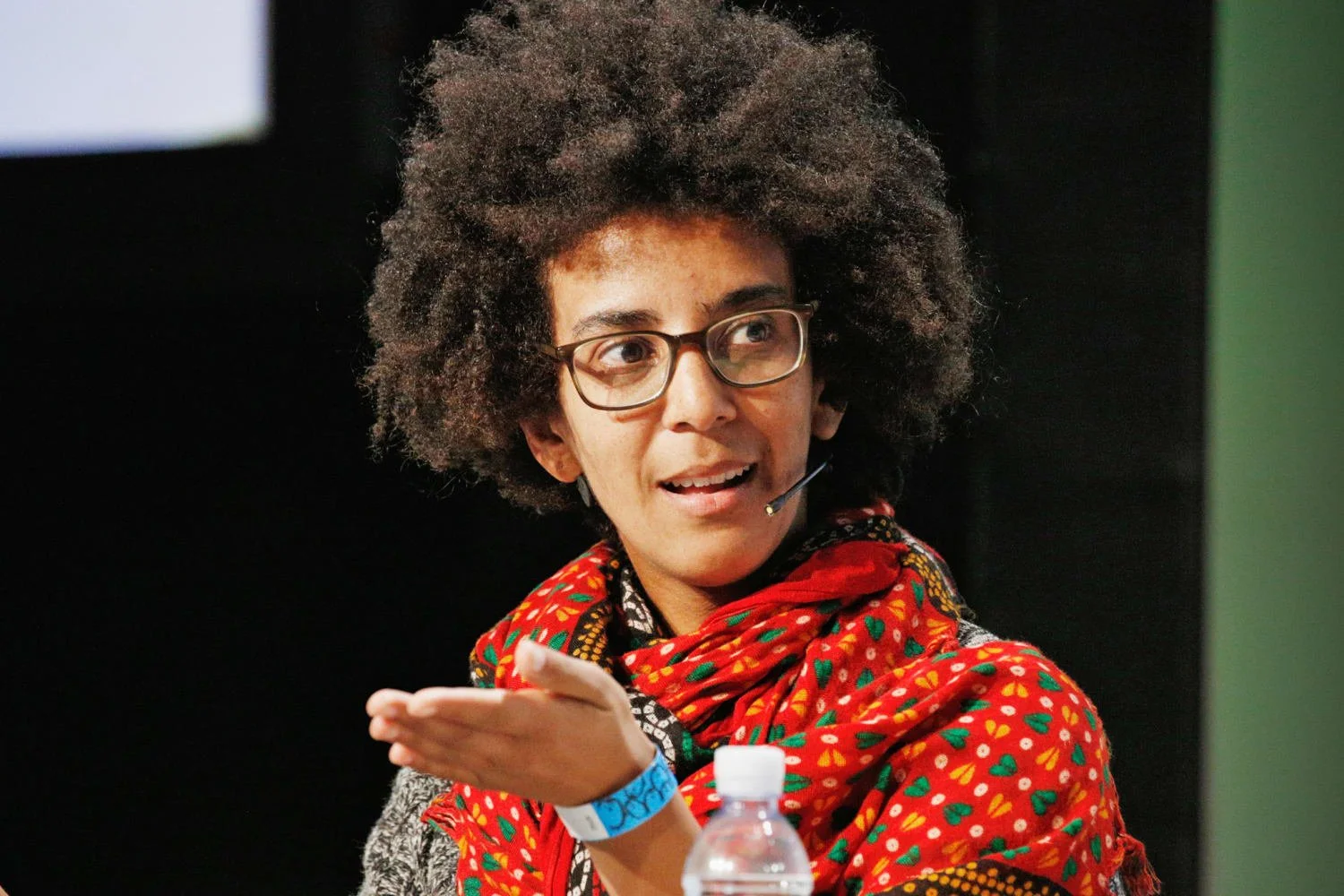
Dr. Timnit Gebru
Dr. Gebru is a leading researcher in artificial intelligence ethics whose work has reshaped how the tech world thinks about bias, accountability, and harm in machine learning systems. She co-founded the Distributed AI Research Institute to center marginalized communities in AI research and development. Her work highlights that technological innovation without ethical oversight can reinforce inequality, making her contributions critical to the future of STEM and technology policy.
Expanding the Definition of STEM Leadership
Dr. Raven Baxter
Known widely as “Raven the Science Maven,” Dr. Baxter is a molecular biologist and science communicator who bridges rigorous scientific knowledge with public engagement. Her work emphasizes that STEM is not only about discovery but also about communication, education, and accessibility.
Why This Matters for Students Today
For Black girls and young women, seeing themselves reflected in STEM leadership can be transformative. These women challenge narrow definitions of who is “meant” to be a scientist, engineer, or innovator. They also model multiple pathways into STEM, whether through research, technology, education, policy, or interdisciplinary work.
At Kente Academy, we recognize that talent is everywhere, but opportunity is not. By highlighting modern Black women in STEM, we aim to support students in imagining futures that feel both ambitious and attainable.
As we enter Black Women’s History Week, we celebrate not only the achievements of these women but also the students who will follow in their footsteps. Their stories are still being written, and we are honored to be part of that journey.
