
How to Choose the Right College: Looking Beyond Rankings
For many high school students, choosing a college can feel overwhelming. With thousands of colleges and universities to consider, it is easy to focus on rankings, prestige, or where your friends are applying. While those factors may seem important, the best college for someone else is not always the best college for you.
The goal is not simply to attend a "good" college. The goal is to find a college where you can grow academically, personally, and professionally.
Start with Your Academic Goals
Think about what you want to study, even if you are not completely sure. Some colleges are known for engineering, while others excel in business, education, healthcare, or the arts. Research whether the schools you are considering have strong programs, research opportunities, internships, or hands-on learning experiences in areas that interest you.
If you are undecided, look for colleges that encourage exploration and make it easy to change majors without delaying graduation.
Consider the Campus Environment
Every campus has its own personality. Ask yourself questions like:
Do I prefer a large university or a smaller college?
Would I enjoy living in a city, suburb, or rural area?
Do I want a campus with lots of school spirit and athletics?
Would I rather attend a college with smaller class sizes?
Visiting campuses, taking virtual tours, and speaking with current students can help you determine whether you can picture yourself there for four years.
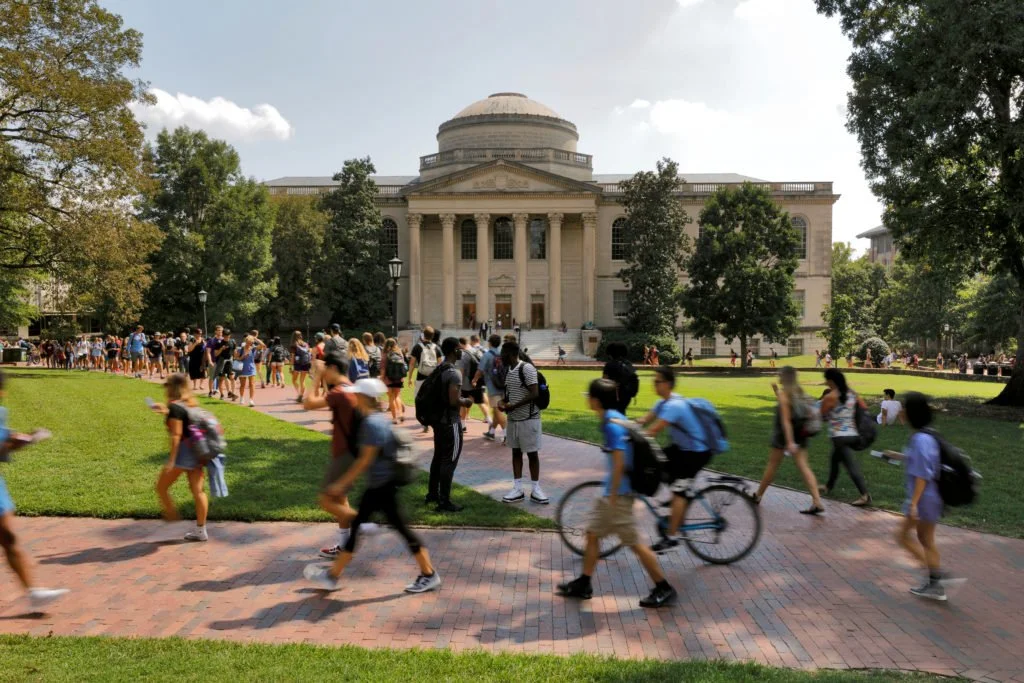
Think About Life Outside the Classroom
College is more than academics. Clubs, organizations, leadership opportunities, volunteer work, and campus events all contribute to your experience.
Look for activities that match your interests. Whether you enjoy STEM competitions, music, sports, cultural organizations, or community service, finding a campus where you can get involved will help you build friendships and develop valuable leadership skills.
Make Financial Fit Part of the Conversation
A college education is an investment, but the most expensive option is not always the best one. Compare tuition costs, scholarships, grants, financial aid packages, and work-study opportunities.
Remember that graduating with less debt can provide greater flexibility after college, whether you plan to attend graduate school, start a career, or pursue other opportunities.
Explore Career Outcomes
Research what happens after graduation. Ask questions such as:
What percentage of students graduate on time?
How successful are graduates in finding jobs?
Does the college have strong internship opportunities?
Is there a career center that supports students throughout their college experience?
A college that actively prepares students for life after graduation can make a significant difference in your future success.

Trust Your Priorities
It is natural to hear opinions from family, friends, teachers, and social media. While their advice can be helpful, remember that you are the one who will spend the next four years earning your degree.
Choose a college that aligns with your goals, values, learning style, and future aspirations. The right college is the one where you will be challenged, supported, and given opportunities to become the best version of yourself.
Final Thoughts
There is no universal "perfect college." The best choice is the one that fits your unique needs and goals. By considering academics, campus culture, finances, extracurricular opportunities, and career preparation, you can make a thoughtful decision that sets you up for long-term success.
Take your time, ask questions, and remember that choosing a college is about finding a place where you can thrive, not just where you can be accepted.
