
The world is changing faster than ever, and STEM careers are leading the way. From developing life-saving medicines to creating artificial intelligence and designing sustainable energy systems, today's students have opportunities to solve some of the world's biggest challenges. While technical knowledge is important, employers are increasingly looking for individuals who possess a combination of scientific expertise and adaptable skills.
What Is a STEM Career?
STEM stands for Science, Technology, Engineering, and Mathematics. Careers in these fields involve using critical thinking, research, creativity, and problem-solving to improve the way we live and work. STEM professionals can be found in hospitals, research laboratories, technology companies, engineering firms, environmental organizations, government agencies, and even the entertainment industry.
Some examples of STEM careers include:
Biomedical Scientist
Software Engineer
Data Analyst
Environmental Scientist
Mechanical Engineer
Cybersecurity Specialist
Statistician
Robotics Engineer
Clinical Research Coordinator
Artificial Intelligence Developer
The Skills Employers Value Most
Many students believe that earning good grades is enough to prepare for a STEM career. While academic success is important, employers often look beyond transcripts. They want candidates who can work well with others, communicate clearly, and solve unfamiliar problems.
Some of the most valuable skills include:
Critical thinking
Analytical reasoning
Communication
Teamwork
Adaptability
Time management
Attention to detail
Digital literacy
Developing these skills early can make students more competitive for internships, research opportunities, and future careers.

Why Hands-On Experience Matters
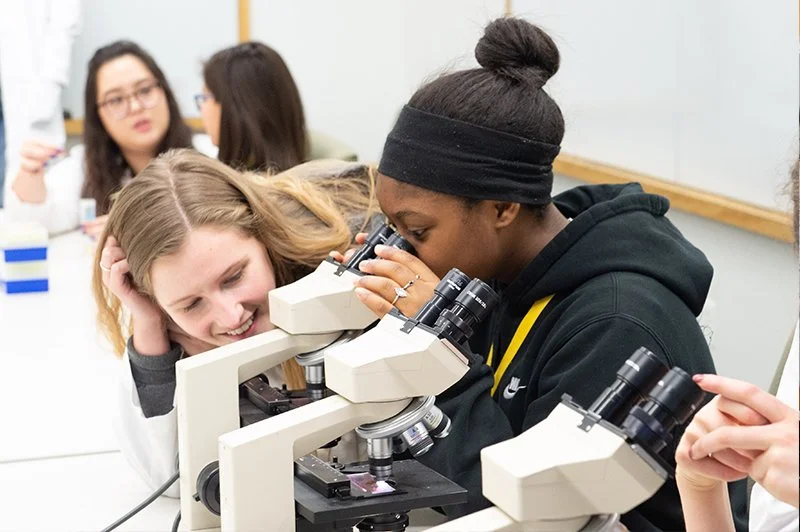
Learning inside the classroom builds a strong foundation, but applying that knowledge helps students truly understand STEM concepts. Participating in science fairs, coding competitions, robotics clubs, research projects, internships, or laboratory experiences allows students to strengthen both their technical and professional skills.
Even small experiences can make a significant difference when applying for colleges or future jobs.
Building Your STEM Journey Now
Students do not have to wait until college to begin preparing for a STEM career. Every math problem solved, science experiment completed, or programming language learned contributes to future success.
Here are a few ways to get started:
Challenge yourself with advanced math and science courses.
Join STEM clubs or academic competitions.
Learn basic coding through free online resources.
Ask teachers about research or volunteer opportunities.
Stay curious by reading about new scientific discoveries and technological innovations.
How Kente Academy Can Help
Success in STEM begins with a strong academic foundation. At Kente Academy, we help students strengthen their understanding of mathematics and other core subjects through personalized instruction designed to build confidence and long-term success.
Whether a student is preparing for advanced coursework, standardized exams, or future STEM opportunities, developing strong problem-solving skills today creates more possibilities tomorrow.
The future of STEM belongs to students who are willing to stay curious, embrace challenges, and continue learning. With dedication, preparation, and the right support, today's students can become tomorrow's innovators, researchers, engineers, and scientific leaders.
