
Starting the School Year Strong: 6 Habits for Academic Success
A new school year is a fresh start. New classes, teachers, schedules, and expectations give students an opportunity to build better habits and approach their academics with confidence.
However, academic success does not begin when the first major exam arrives. The habits students establish during the first few weeks of school can influence how prepared and organized they feel throughout the entire year.
Here are six habits students can begin practicing now to start the school year strong.
1. Create a Routine Early
The transition from summer break to a full academic schedule can be difficult. Instead of waiting until assignments begin piling up, students should establish a routine during the first few weeks of school.
Set consistent times for homework, studying, extracurricular activities, meals, and sleep. A routine does not need to account for every minute of the day, but having some structure can make it easier to balance responsibilities.
2. Keep Track of Assignments and Deadlines
Missing assignments can quickly affect academic performance. Whether students prefer a physical planner, calendar, or digital organization system, they should have one place where they keep track of important deadlines.
At the beginning of each week, review upcoming:
Homework assignments
Tests and quizzes
Projects
Papers
Extracurricular activities
College application deadlines
Planning ahead gives students more time to prepare instead of constantly reacting to upcoming deadlines.
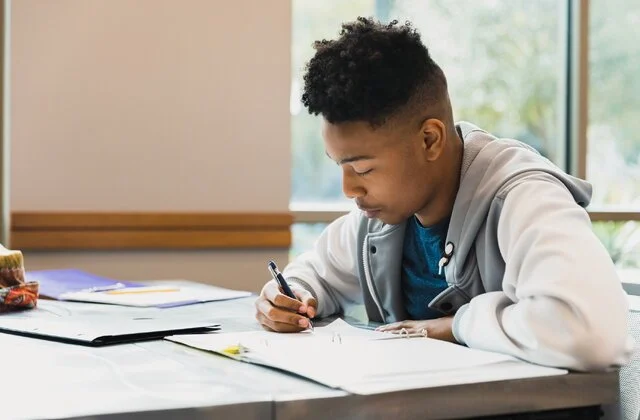
3. Review Material Before You Feel Behind
Students often wait until they are confused to begin reviewing material. Instead, make reviewing a regular part of the week.
Even spending 15 to 20 minutes reviewing notes after class can help students identify concepts they understand and areas where they may need additional practice.
Catching confusion early also makes it easier to ask teachers, tutors, or classmates for help before the class moves on to more advanced material.
4. Learn How Each Teacher's Classroom Works
Every classroom is different.
During the first few weeks of school, students should pay attention to how each teacher structures assignments, grades participation, communicates deadlines, and prepares students for assessments.
Students should also review the syllabus or course expectations carefully.
Understanding what each teacher expects can help students adjust their study strategies for different classes.
5. Ask for Help Early
Asking for help is an important academic skill.
Students should not wait until their grades begin falling before seeking support. If a concept is confusing, reach out to the teacher, attend office hours, work with classmates, or consider additional academic support.
Getting help early can prevent a small misunderstanding from becoming a larger academic challenge later in the semester.

6. Set Realistic Goals
The beginning of the school year is a great time to think about what you want to accomplish.
Instead of simply saying, "I want better grades," create specific goals.
For example:
Complete assignments at least one day before they are due.
Study for tests several days in advance instead of the night before.
Participate in class at least once each week.
Improve your grade in a challenging subject.
Spend 30 minutes reviewing schoolwork each evening.
Goals should be challenging enough to encourage growth but realistic enough that students can consistently work toward them.
Progress Over Perfection
Starting the school year strong does not mean having a perfect semester.
There will be difficult assignments, busy weeks, disappointing grades, and unexpected challenges. What matters is developing habits that make it easier to adjust when those challenges happen.
Organization, consistency, asking for help, and planning ahead are skills students can continue developing throughout their academic careers.
At Kente Academy, we believe every student can benefit from having the right strategies and support system in place. Whether a student needs help strengthening academic skills, preparing for an important exam, or planning for college, developing strong habits is an important first step toward long-term success.
